
Enter once
All key details in one clear process.
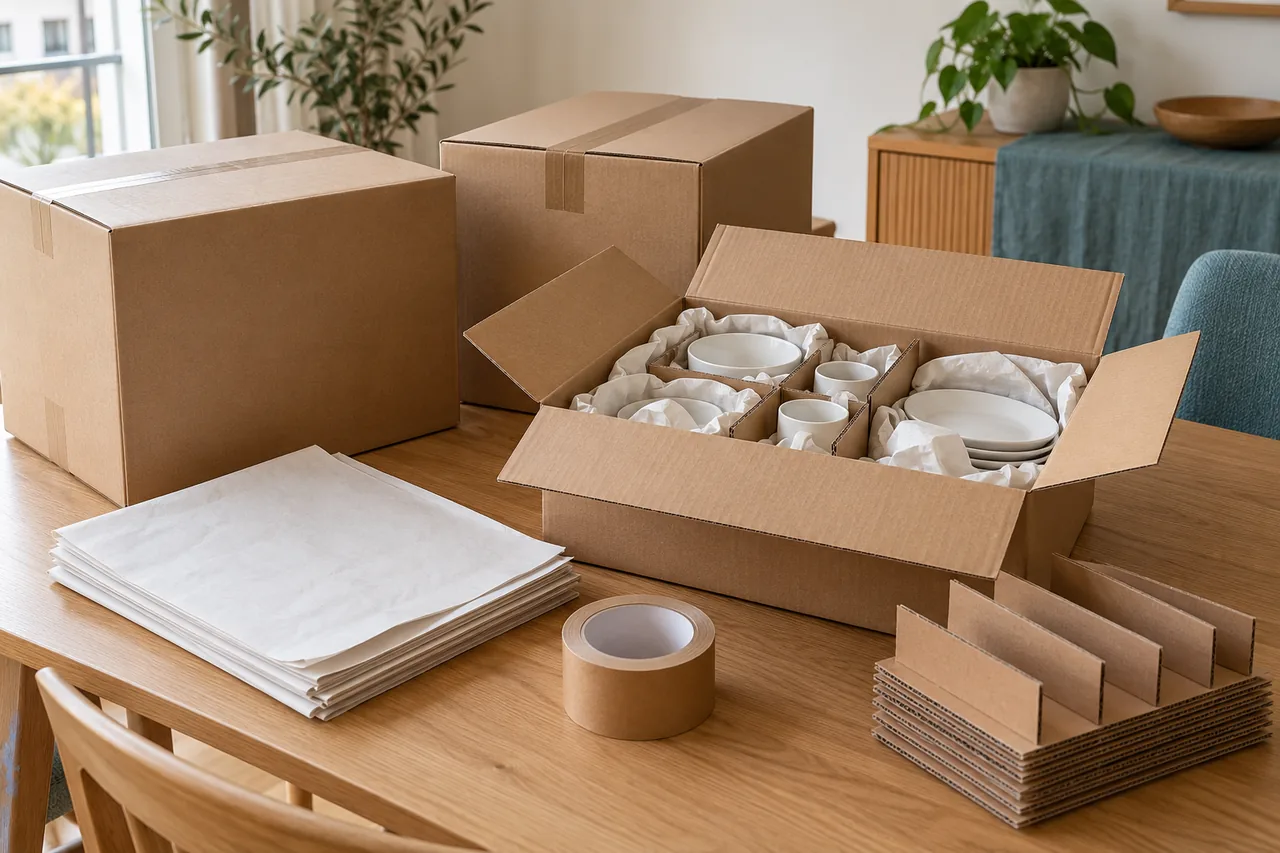
Packing service in Mendrisio (canton TI): we agree the scope, access to your property and a suitable date with you. Packing is a separate part of planning a move. Suitable protection helps preserve belongings, while clear labelling shows what belongs together and what will be needed first. Tetrismove assists with boxes, protective materials, fragile items and organised identification. You can define the work by room or type of object, from selected delicate pieces to a larger part of the household.
All key details in one clear process.
Route, access and services described clearly.
Moving and cleaning in every region.
Review the services and price before booking.
For work in Mendrisio in canton TI, the exact address and access to the property are essential. Provide the floor, usable lift, key handover arrangements and a reachable contact. Photos of rooms, stairs and work areas help establish the scope. Check with the property manager whether working hours, access or the use of shared areas need to be agreed.
The table distinguishes postal localities from the municipality. The correct postcode and house number avoid confusion, particularly where a municipality contains several localities. Include the entrance, any rear courtyard and a reachable contact person. The service is planned for your address; this page describes a service area and does not identify a branch office.
| Postcode | Locality | Address details needed |
|---|---|---|
| 6825 | Capolago | Add the street, house number and building entrance |
| 6850 | Mendrisio | Add the street, house number and building entrance |
| 6852 | Genestrerio | Add the street, house number and building entrance |
| 6853 | Ligornetto | Add the street, house number and building entrance |
| 6862 | Rancate | Add the street, house number and building entrance |
| 6863 | Besazio | Add the street, house number and building entrance |
| 6864 | Arzo | Add the street, house number and building entrance |
| 6865 | Tremona | Add the street, house number and building entrance |
| 6866 | Meride | Add the street, house number and building entrance |
| 6872 | Salorino | Add the street, house number and building entrance |
The table lists postal locality areas whose building addresses lie predominantly within this municipality. A postal area can span more than one municipality. The full address is needed to plan your booking. Source: Federal Office of Topography swisstopo · data dated 01 October 2026
Explain whether the rooms will remain occupied or in use during the visit. Personal belongings, pets, sensitive workstations and other contractors affect the sequence. Any additional transport, clearance or property handover is coordinated separately. The complete address and your task list are the starting point; a postcode alone does not describe the condition or work required.
Start with an inventory rather than an empty box. Go through each room and separate belongings that are moving from items intended for donation, sale or disposal. Objects awaiting a decision should not be mixed with those already approved for packing. Clear separation avoids transporting unnecessary volume and helps prevent personal documents from becoming part of a general load by mistake.
Agree which tasks you will handle and which Tetrismove will complete. The division can follow rooms or object types, such as kitchen contents or fragile furnishings. Where you are packing some items yourself, completed boxes should be recognisable and labelled well enough to avoid reopening them simply to identify their destination.
Mention items that cannot be made available until shortly before departure. This overview informs both the sequence and the materials. Keep a separate area for personal essentials that travel with you, so the closing check can distinguish intentionally unpacked items from unfinished work.
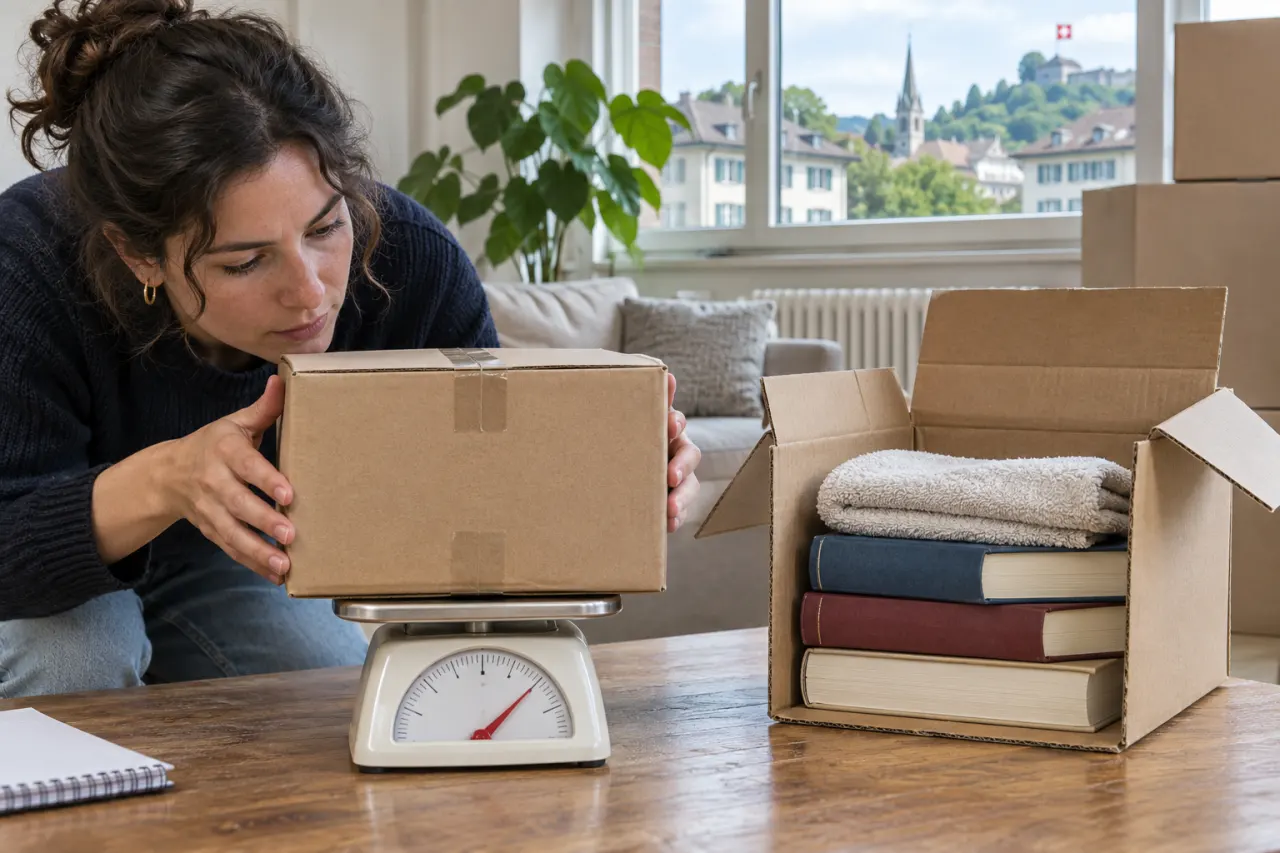
Packaging should suit the shape, weight and sensitivity of the contents. Smaller strong boxes are often more practical for heavy objects than large containers filled to the top. Bulky lightweight items need space without unnecessarily loading the container. A secure base, evenly distributed contents and a lid that closes without force are useful starting points.
Fill gaps so objects cannot move freely and strike each other during handling. Protective material should not damage the surface it is intended to protect. Tape should therefore not be applied directly to furniture, painted finishes or delicate upholstery without considering the material. Previously used boxes also need to be checked for strength and moisture damage before being reused.
The planning discussion establishes which materials are suitable and whether your existing packaging can be used. A packing service does not automatically mean a separate retail or rental service for every type of container. Agree the necessary materials against the actual inventory instead of relying on a universal number of boxes per room.
Fragile items need separation and protection against movement. For crockery and glassware, the arrangement inside the box matters as much as an outer layer of paper. Thin stems, handles and exposed edges deserve particular attention. Parts of a set should remain identifiable without allowing heavier pieces to press on delicate components.
Point out belongings that are especially fragile or personally important. Photographs explain size and form, although unusual pieces may require closer assessment. Loose lids, removable shelves and accessories should be secured separately while remaining clearly linked to the main item. A fragile label supports communication but cannot substitute for suitable internal protection.
Original packaging can be useful where it is complete and still in good condition. Requirements for artworks, valuable collections or unusually heavy objects need an individual discussion about the actual service available. General packing support is not a blanket commitment to every specialist packaging method or transport arrangement.
The weight of books often becomes obvious only when a large box is full. Divide heavy contents into manageable units and avoid overloading containers. Different items can share a box where the arrangement remains stable and delicate objects are not compressed. A short description helps locate a particular folder or book later without opening several otherwise identical boxes.
Pack clothing, bed linen and towels clean and dry. Decide which garments can be folded and which need protection against creasing or pressure. Keep shoes separate so they cannot soil other textiles. Small drawer contents need a closed pouch to prevent pieces disappearing during unpacking.
Do not put every useful object away at once. Some belongings are needed during the final days at the old property and the first hours in the new one. Keep a small selection of clothing, toiletries, charging equipment and immediate household essentials apart from the main load.
Preparation for electronics starts before a protective cover is fitted. Back up important data yourself and keep any necessary access information available. Photographs of existing cable connections can help when equipment is reconnected. Cables, power supplies and accessories should be grouped with the correct device without leaving plugs loose against sensitive surfaces.
Follow relevant manufacturer instructions when preparing equipment for transport. This may include shutting it down and securing or removing loose components. Original packaging is useful where the correct inserts are still present. A box of a similar size does not necessarily offer equivalent protection. Technical dismantling, data migration and network setup do not become part of the booking simply because a device is being packed.
Keep identity documents, keys, contracts and other papers needed immediately with your personal essentials. The same applies to personal valuables and necessary medication. Discuss confidential files in advance rather than placing them unlabelled among household contents.
Some furniture needs preparation before it can pass through doors or stairways. Where disassembly is necessary, packing and assembly plans should work together. Removed doors, shelves and fittings need to stay linked to the correct piece of furniture. Small components can be collected in labelled bags and stored securely instead of becoming loose among unrelated items.
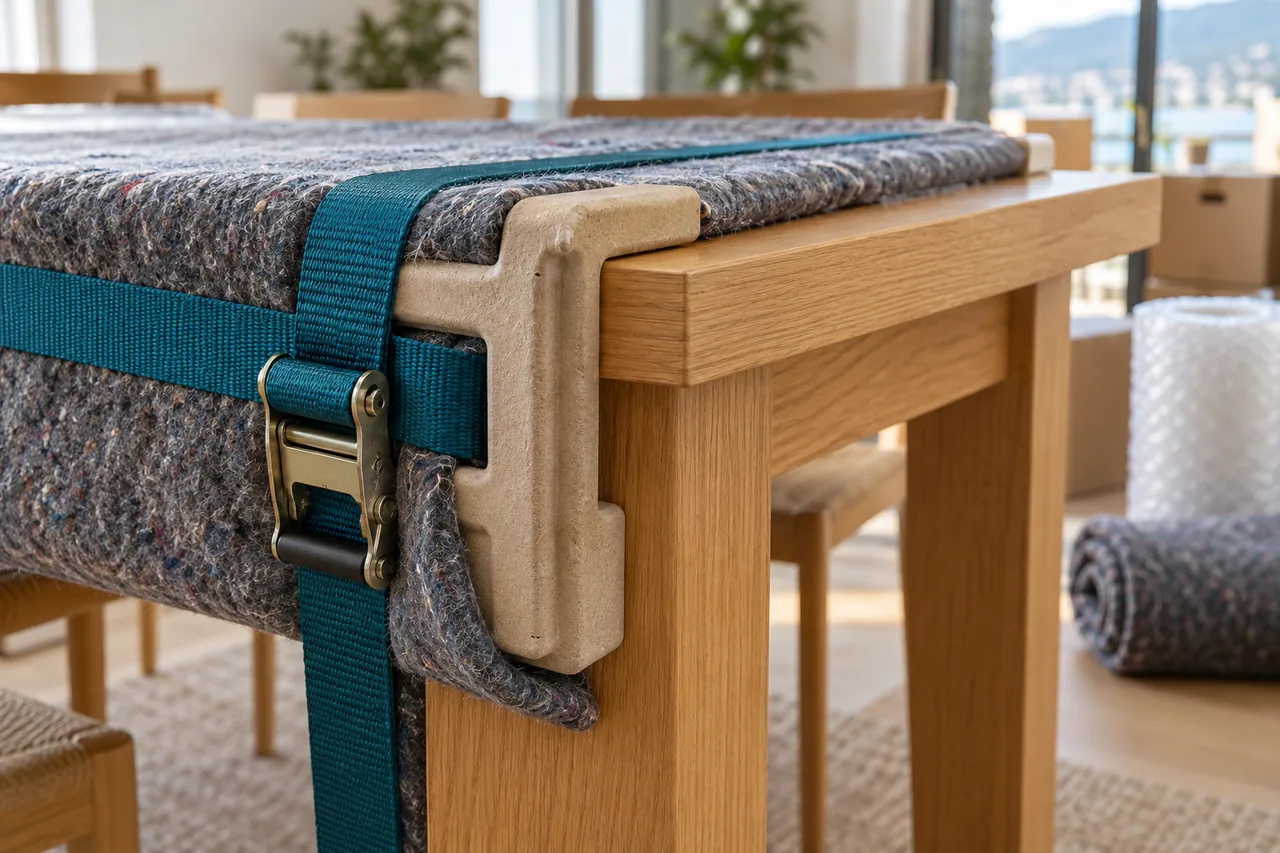
Corners, edges, glass surfaces and delicate finishes require suitable protection. That protection needs to remain in place during carrying and vehicle loading. It should not accidentally obstruct safe handholds or other necessary handling points. Existing damage and loose joints should be identified beforehand so that the method of moving can take them into account.
Plants, liquids, food and items with particular storage requirements do not fit every standard packing method. Describe them explicitly. Plant size, stability and temperature sensitivity may matter; liquids need suitable closure and separation. Whether and how an item can be included must be assessed against the actual move. A general assumption that every object can be packed in the same way would make the preparation less reliable.
Useful labelling answers three questions: where does the box belong, what general type of content does it hold and how soon will it be needed? Short consistent descriptions are easier to follow than changing abbreviations. Match room names to the new property. If there are two bedrooms, a clear designation avoids placing boxes in one room only to move them again.
Labels should remain visible when boxes are stacked. Avoid displaying unnecessary sensitive information outside the packaging; a neutral category may be enough while you keep the detailed list. Any special handling note should be supported by suitable protection and a direct discussion where necessary.
A separately marked first-use group saves time on arrival. It contains items needed before the rest of the household is unpacked. Agree where those boxes should be placed in the vehicle and at the destination.
The packing appointment needs to fit everyday life as well as the transport date. Infrequently used items can be prepared earlier, while kitchen equipment, work materials and clothing may remain necessary until close to departure. Explain which rooms must stay usable. If you are packing alongside the team, define areas and timing so that tasks do not overlap or interrupt one another.
Keep routes clear and make the agreed belongings accessible. Point out items that have been excluded and boxes you prepared yourself. At the end, check which areas have been completed and which objects intentionally remain unpacked. This handover gives the transport stage a clear starting point and helps distinguish a deliberate choice from an omission.
Unpacking also benefits from an order: orientation, essential furniture and immediate daily needs usually come first. Additional unpacking assistance, collection of materials or disposal of packaging should be discussed explicitly. These tasks are not automatically included in packing. Keep useful labels until the contents have been assigned to their final place, especially where boxes contain parts belonging to several pieces of furniture.
| Contents | Main consideration | Useful preparation |
|---|---|---|
| Glass and crockery | Separation, cushioning and delicate edges | Show original inserts and unusual pieces |
| Books and files | Manageable units instead of overloaded large boxes | Sort out items that are no longer needed |
| Clothing and textiles | Dry contents and protection from dirt | Keep first-day clothing accessible |
| Electronics | Suitable internal protection and matched accessories | Back up data and photograph connections |
| Furniture parts | Protected edges and identifiable fittings | Explain disassembly needs and existing damage |
A reliable quotation starts with a complete scope. Property size and distance alone are not enough: volume, access, timing, materials and additional tasks determine the team, vehicle and time needed. Tell us which preparations you will handle yourself. Compare quotations by checking that they cover the same rooms, items and carrying routes.
| Factor | Details needed | Why it matters |
|---|---|---|
| Volume | Inventory, photographs, rooms and additional areas | The actual quantity determines the resources required. |
| Access | Floor, lift dimensions, carrying route and loading space | The route affects time and equipment. |
| Date | Preferred date, handover and alternatives | The sequence and everyone involved need to align. |
| Your preparation | Packed boxes, disassembly and prepared rooms | Clear responsibilities avoid duplicated or missed tasks. |
| Additional work | Cleaning, packing, assembly, storage or disposal | Each addition needs a defined scope and position in the schedule. |
Also agree what happens if something changes: extra furniture, an unreserved lift or delayed access to the destination can affect the schedule. A written scope makes these differences easier to discuss. Binding prices and dates are set out in your individual quotation; example images and checklists do not promise a fixed package for every property.
Tick the points you have already clarified. This personal checklist is not submitted.
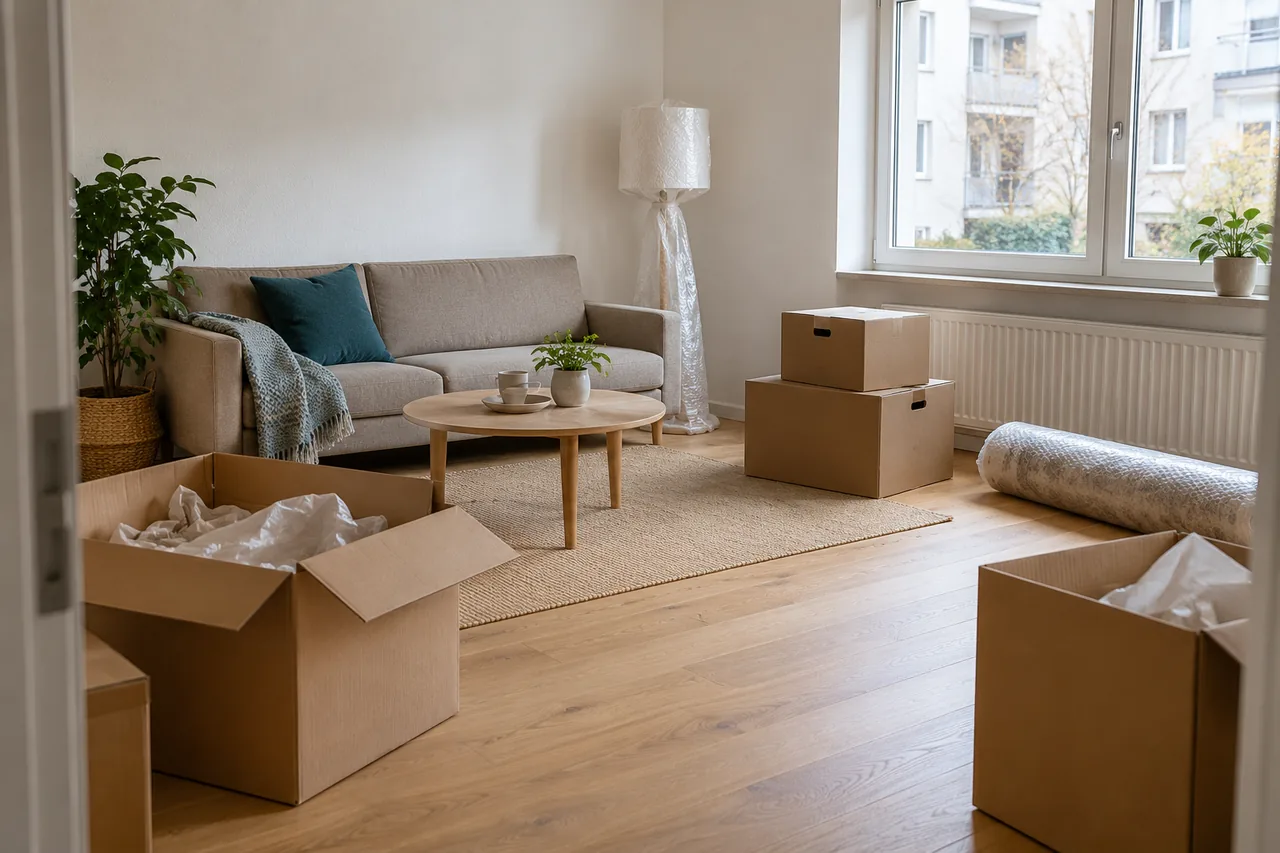
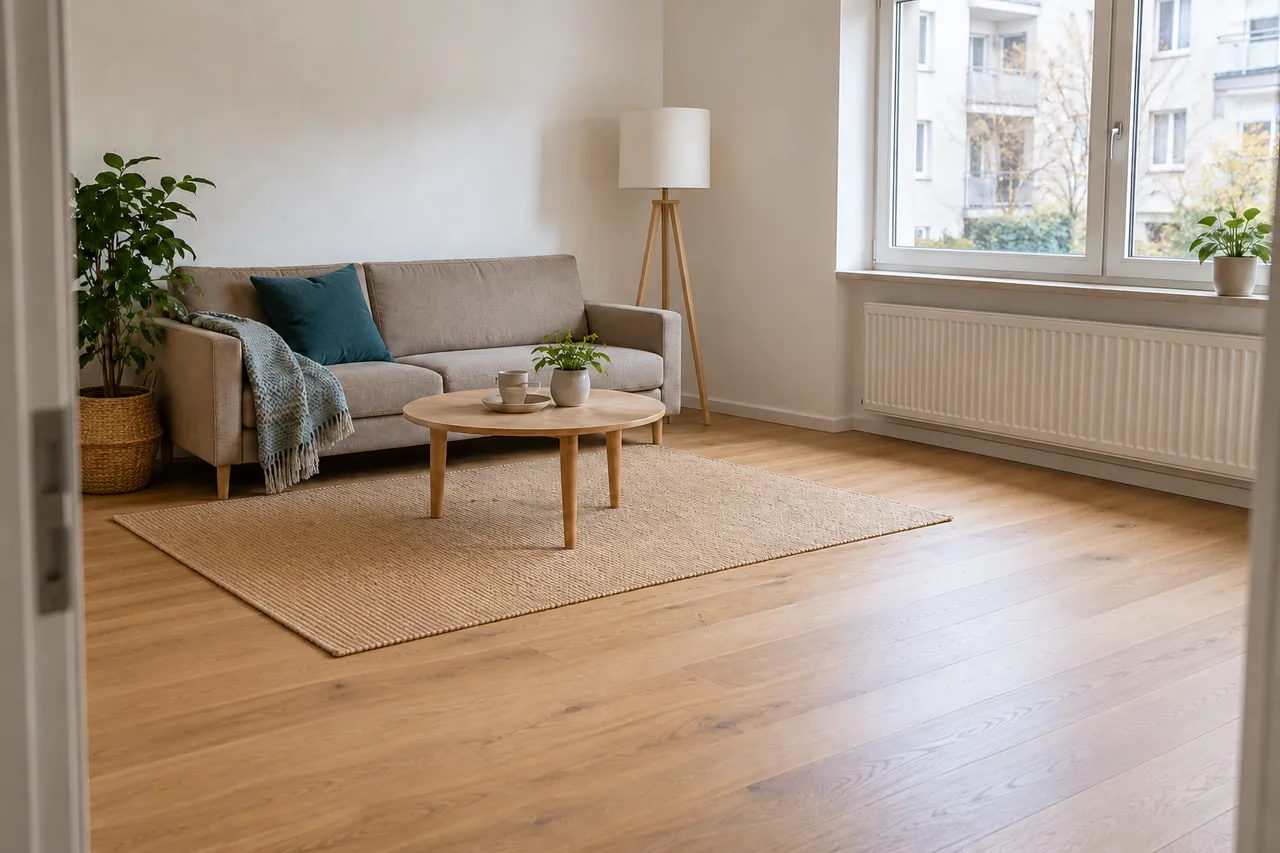
Planning examples: rooms change through furnishing and cleaning. Your quotation defines the specific work agreed for your property.
Describe the volume, collection and delivery addresses, and your preferred date. We clarify open points and record the agreed services in writing.
044 505 14 14Yes. Responsibilities can be divided by room or type of object. Make the division clear before the appointment. Boxes you have completed should be securely closed and use understandable labels. Tell the team about fragile or unusual contents so that transport preparation follows the actual inventory rather than assumptions.
The inventory, shapes and sensitivity of the contents determine the requirement. Photographs and a list help with assessment. Existing packaging can be checked for suitability. The agreement should state which materials are provided or reused; a single fixed box allowance per room is not a reliable rule for every household.
Keep documents needed immediately, keys, personal valuables and medication separately available. For confidential files, agree who prepares and retains responsibility for them. Neutral labels avoid displaying unnecessary personal details. General packing support does not replace a specific arrangement for items of particular value or sensitivity.
No. Packing, furniture assembly and unpacking are separate tasks that can be coordinated but need to be described in the booking. Identify furniture requiring dismantling and the help you want at the destination. Material collection and disposal of used packaging should also be agreed rather than assumed.
Sort belongings, clear access to cupboards and keep personal essentials separate. Identify what is moving and what stays behind. Explain which items you need until the last moment. A room list for the new property helps with consistent labels and with distributing the boxes after transport.
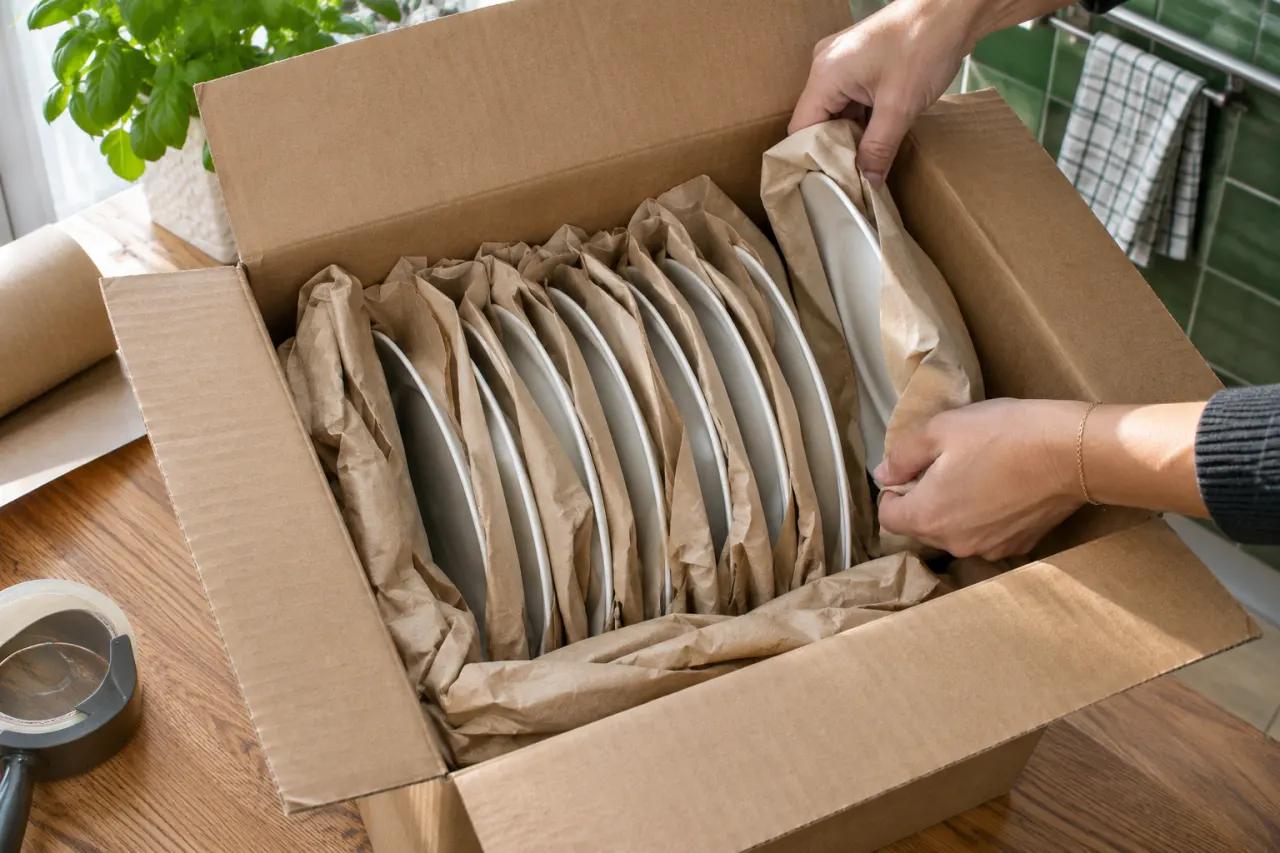
Lay books flat in small, strong cartons and observe the weight limit printed on the box. Stand plates on edge with padding between them. Fill gaps so nothing shifts. Close a trial box and check that you can lift and set it down comfortably.
Describe the volume, collection and delivery addresses, and your preferred date. We clarify open points and record the agreed services in writing.