
Enter once
All key details in one clear process.
Private moving in Bleienbach (canton BE): we coordinate the work around both addresses and the agreed date. A home move works when the volume, access arrangements and dates fit together. Tetrismove plans the carrying and transport of your belongings. Packing, furniture assembly, cleaning and temporary storage can be requested alongside the move. Your written quote records the work agreed for your booking.
All key details in one clear process.
Route, access and services described clearly.
Moving and cleaning in every region.
Review the services and price before booking.
For a booking in Bleienbach in canton BE, check both access routes separately. Provide the complete address, usable lift, floors and the distance between the building and vehicle. A photo often describes a narrow staircase or long courtyard more accurately than the size of a flat alone. Check with the property manager and relevant authority whether a loading space or access arrangement is needed; requirements depend on the actual address.
The table distinguishes postal localities from the municipality. The correct postcode and house number avoid confusion, particularly where a municipality contains several localities. Include the entrance, any rear courtyard and a reachable contact person. The service is planned for your address; this page describes a service area and does not identify a branch office.
| Postcode | Locality | Address details needed |
|---|---|---|
| 3368 | Bleienbach | Add the street, house number and building entrance |
The table lists postal locality areas whose building addresses lie predominantly within this municipality. A postal area can span more than one municipality. The full address is needed to plan your booking. Source: Federal Office of Topography swisstopo · data dated 01 October 2026
If your destination is outside Bleienbach, collection is only part of the plan. We need the same access, parking and handover details for delivery. Additional stops, storage or several recipients require an agreed order before the quotation. This makes extra journeys, waiting and handling visible before moving day.
Include the cellar, attic, balcony and garage. These spaces often add boxes, shelving and bulky objects that a room count misses. Photos and measurements are especially useful for large furniture. Mark what is moving, what is staying and what needs disposal. Identify furniture that needs to be taken apart. Together with both addresses and your preferred date, the list provides a basis for staffing, vehicle space, materials and the order of work. It also makes the scope and responsibilities easier to understand before you book.
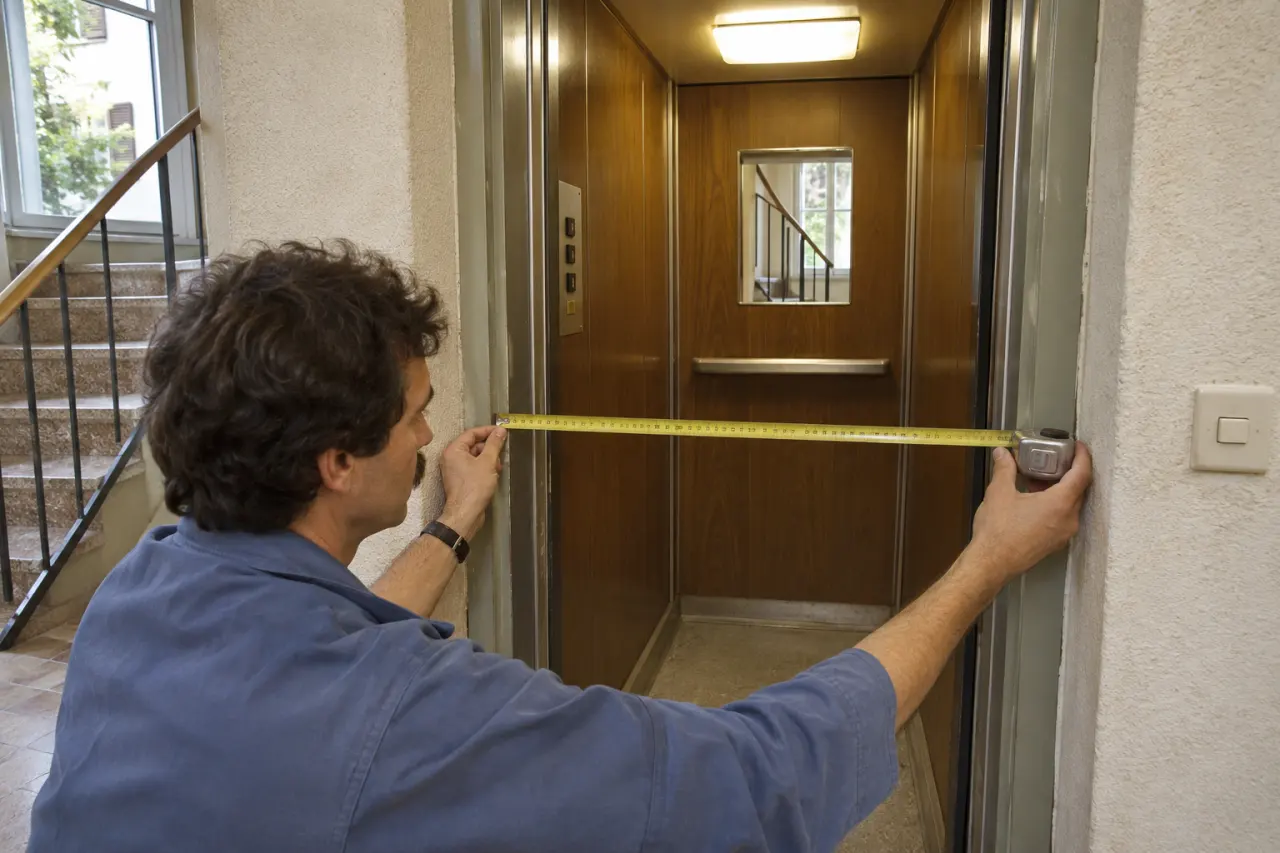
Floors and lifts are only part of the picture. Door widths, stair landings, carrying distance and permitted parking matter too. Measure the narrowest points for large items and photograph uncertain access. A driveway does not automatically provide permission to leave a moving vehicle there for the entire job. Check building rules, lift reservations and any required permissions with the property manager or relevant authority. We plan around the conditions you provide. Special lifting or access arrangements need to be assessed and agreed beforehand.
You can pack your own belongings or request a packing service. Decide who provides boxes, protects delicate surfaces and disassembles each item of furniture. Label boxes by destination room and contents without exposing personal information. Put heavy items in smaller, sturdy boxes. Keep medication, identification, keys and essential documents accessible. A simple furniture plan for the new home avoids repeated handling of large items. Appliance connections and work on fixed installations are included only where expressly agreed and technically possible; they should never be assumed from the word “assembly”.
Compare more than an hourly rate. Check the scope, staffing, vehicle, travel, materials, assembly and possible additional charges. Tax treatment and waiting time should be clear. Tell us promptly if quantities, dates or access change. At the start of the move, the work sequence and delicate items are discussed. Before completion, walk through the destination rooms: are the agreed items in the right places, have the expected boxes arrived, and is there anything to record? Open points are easier to document together while everyone is still on site.
Begin with belongings you will not need before moving day: seasonal equipment, rarely used dishes and books. Avoid emptying every room completely at once. A small usable selection in the kitchen, bathroom and bedroom makes the final days easier. Record what is already packed in each room and what will only be added on the last day.
Use the same logic in reverse at the destination. Make the bed, bathroom and basic kitchen arrangements usable before unpacking decorative items. Boxes associated with dismantled furniture should stay connected to that item. Divide heavy books between smaller containers and fill gaps with suitable lightweight material rather than overloading one large box. If you request a packing service, agree which cupboards will already be empty and which areas will be prepared together. Your own work and the booked assistance then fit together without assuming unfinished tasks have been completed.
Moving changes familiar rooms from the moment packing starts. Keep one area calm and usable for as long as possible. Favourite possessions and daily essentials should not disappear into an unidentified final box. Where possible, arrange for a familiar person to provide care during the busiest handling period. This makes decisions on site easier and keeps the routes clear.
For pets, organise a safe place away from open doors and vehicle movements. Their transport is not automatically part of household-goods transport and must be planned separately. Give necessary supplies directly to the carer instead of packing them among furniture. Tell those involved which door must stay closed and who is responsible for the animal. Prepare a separate area at the destination before distributing boxes throughout the property. Everyone can then understand their responsibilities during the moving day, without depending on last-minute improvisation.
Pack a separate bag for the period between departure and being fully settled. Include clothes, toiletries, chargers, keys and documents you personally need. Keep it apart from the main load and do not identify it only with a general room code. It should remain accessible even while some boxes are still unpacked or waiting to be placed.
At the destination, have simple equipment ready, such as scissors for opening cartons and somewhere to collect empty packaging. Check water, lighting and essential routes early. For furniture with many components, keep fittings and instructions together until the agreed assembly is complete. If you continue setting up the home yourself, clear the walking routes first. A completely decorated home is not a useful standard for the first evening. Usable basic areas and a clear understanding of the remaining work are more practical goals for that stage of the move.
An enquiry does not need to be perfect, but it should distinguish confirmed details from missing information. Photograph each room as a whole, then the items or access points needing special attention. One close-up often fails to show an object’s size or the handling route. Add height, width and depth, noting any removable parts. Personal papers, screens and other confidential information do not need to appear in the photographs.
For uncertain details, write “to be checked” rather than presenting a guess as fact. This may apply to lift dimensions, vehicle access, weight or an unconfirmed key date. A short list of outstanding questions can then be worked through systematically. Organise information by address and room so photographs are not assigned to the wrong location. Clearly identify later additions and removals. An updated complete list is more helpful than many conflicting individual messages. Keep the latest confirmed version with the quote as a shared reference for everyone involved in the work.
Consider other people who continue using the building. Entrances, stairs and lifts cannot simply be blocked for the work. Check with management or the responsible people which areas may be used temporarily and which must remain clear. A reserved time window only helps if those affected know about it. Have the doorbell name, key access and contact details ready.
Remove loose obstacles from the agreed routes where you are authorised to do so. Do not improvise by shifting heavy or fixed components merely to widen a passage. Delicate floors or recently treated surfaces need suitable protection discussed in advance; not every tape or covering suits every material. Report known damage so the starting condition can be distinguished from later observations. Children, pets and uninvolved people should use another safe area during heavy handling. Also establish where packaging can be placed temporarily without narrowing access or escape routes. These arrangements concern the actual building, so generic assumptions about unrestricted access should not replace an on-site agreement.
An offer is understandable when every important task has a clear place. Distinguish the main work, expressly requested extras and tasks handled by you or other parties. An unexplained “all inclusive” statement is less useful than a practical list. Ask about terms to which you might attach a particular meaning, such as dismantling, assembly, packing, cleaning, waiting time or special equipment.
The quote should match the quantities actually discussed and the known access conditions. Check whether a date has only been requested or already confirmed, and how changes should be reported. Cost items should distinguish fixed elements from additional work still requiring assessment. Payment arrangements and tax treatment should also be clear from the documents. A phone call may resolve a detail quickly, but important changes should then appear in a shared written version. You and the people carrying out the work will have the same basis when the job starts, instead of relying on different recollections of an earlier conversation.
If you cannot stay for the whole job, appoint a representative in advance. They need access, the current scope and clear limits on what they may decide. They should know the sensitive points and which changes require your agreement first. Leaving a key alone does not answer questions about quantities or placement. Explain how you can be reached during the agreed window as well.
A short joint walk-through is useful at completion. Compare the agreed scope with the work performed, describe outstanding points precisely and identify a responsible person. A factual note naming the location and item is more helpful than a vague recollection. Sign only a description you understand and keep the associated records. If a question arises later, the reference, date and a precise explanation make it easier to connect it to the correct enquiry. A clear handover needs shared observations and identifiable next steps rather than complicated wording.
| Topic | Your preparation | Confirm in the quote |
|---|---|---|
| Inventory | List furniture, boxes and storage rooms | Transport volume and unusual items |
| Packing | Close and label your packed boxes | Materials and packing assistance |
| Access | Provide floors, lift sizes and distances | Staffing, time and access arrangements |
| Furniture | Identify dismantling and final positions | Disassembly, protection and rebuilding |
| Schedule | Coordinate keys and handover times | Start, expected window and extras |
A reliable quotation starts with a complete scope. Property size and distance alone are not enough: volume, access, timing, materials and additional tasks determine the team, vehicle and time needed. Tell us which preparations you will handle yourself. Compare quotations by checking that they cover the same rooms, items and carrying routes.
| Factor | Details needed | Why it matters |
|---|---|---|
| Volume | Inventory, photographs, rooms and additional areas | The actual quantity determines the resources required. |
| Access | Floor, lift dimensions, carrying route and loading space | The route affects time and equipment. |
| Date | Preferred date, handover and alternatives | The sequence and everyone involved need to align. |
| Your preparation | Packed boxes, disassembly and prepared rooms | Clear responsibilities avoid duplicated or missed tasks. |
| Additional work | Cleaning, packing, assembly, storage or disposal | Each addition needs a defined scope and position in the schedule. |
Also agree what happens if something changes: extra furniture, an unreserved lift or delayed access to the destination can affect the schedule. A written scope makes these differences easier to discuss. Binding prices and dates are set out in your individual quotation; example images and checklists do not promise a fixed package for every property.
Tick the points you have already clarified. This personal checklist is not submitted.
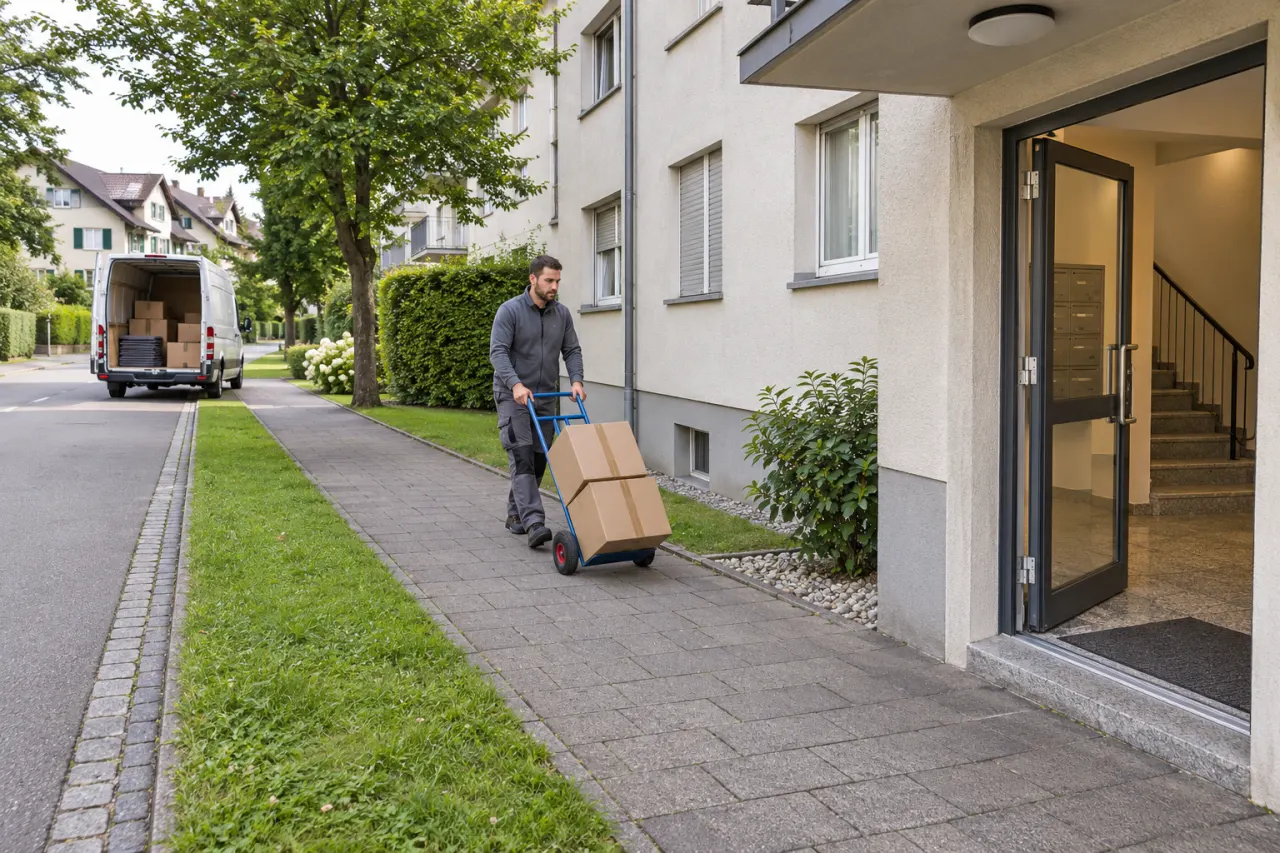
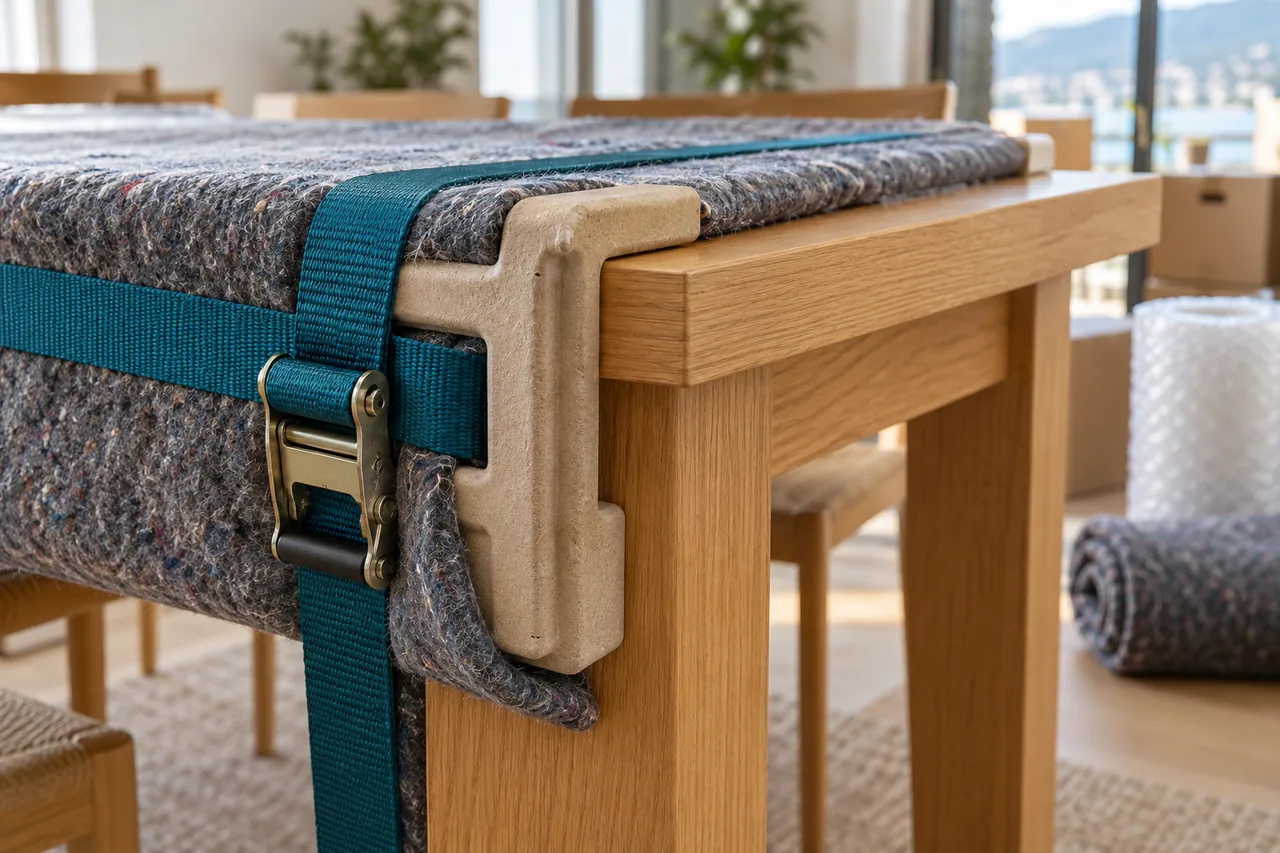
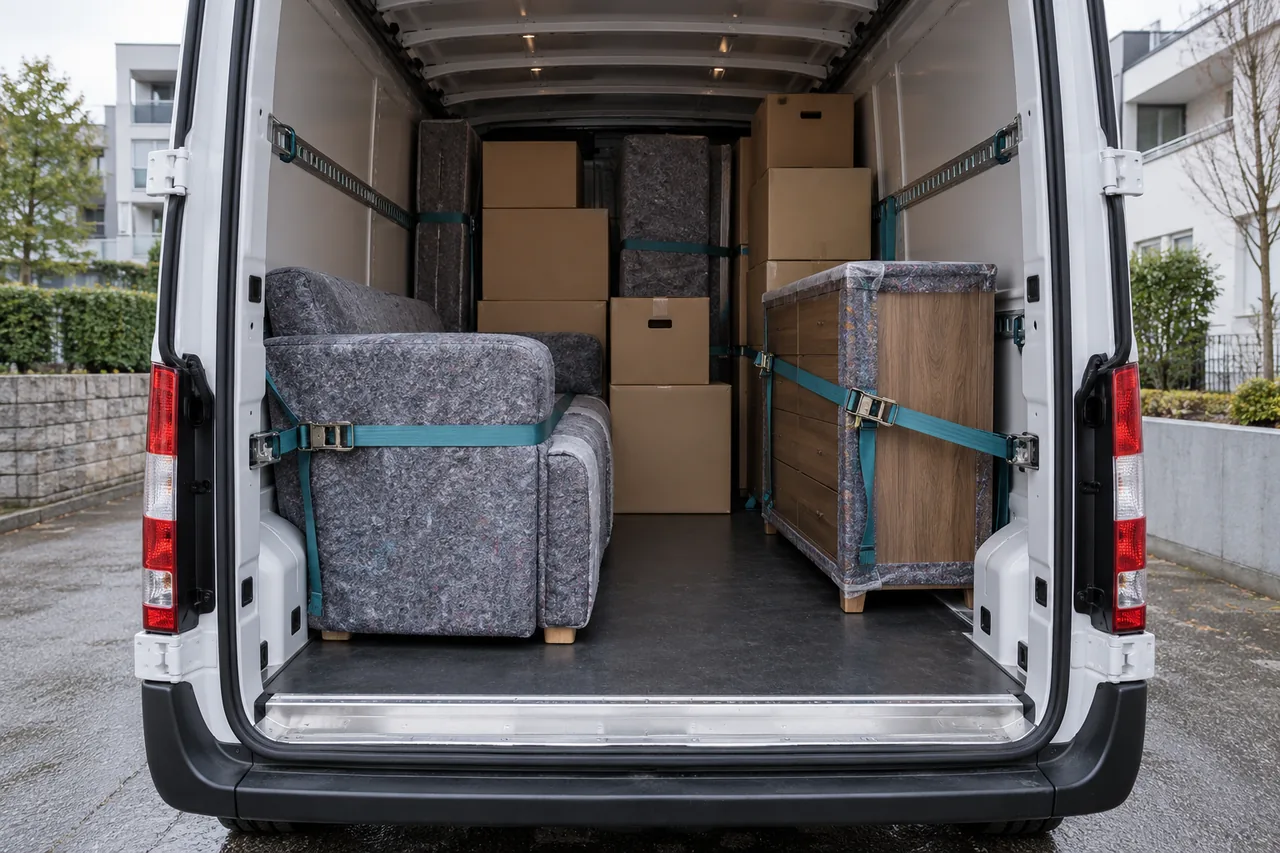
Planning examples: rooms change through furnishing and cleaning. Your quotation defines the specific work agreed for your property.

Describe the volume, collection and delivery addresses, and your preferred date. We clarify open points and record the agreed services in writing.
044 505 14 14Volume, distance, access, staffing and agreed additional work determine the price. A room count is only an initial guide. Photos, an inventory and details of both addresses help make the personal quote more accurate.
No. You can request packing assistance or prepare selected rooms yourself. Agree who supplies the materials and which items need special protection. Loose or unprotected belongings should be discussed beforehand.
Yes. Request both services together. Cleaning needs to follow the removal of belongings, allow key access and fit the handover date. The scope and any requested handover attendance are recorded in the quote.
Tell us about the gap as early as possible. Temporary storage can be requested. Collection into storage, duration, access and redelivery must be planned separately and are not automatically included in the move.
Check the local noise rules and the house rules at both addresses. Carrying in a few belongings yourself raises different questions from booking a professional crew with a van or an external lift. Before committing to a Sunday, ask the company whether it can undertake the work and confirm that the intended loading window is permitted.
Describe the volume, collection and delivery addresses, and your preferred date. We clarify open points and record the agreed services in writing.