
Enter once
All key details in one clear process.
Home cleaning in Lucerne (canton LU): we agree the scope, access to your property and a suitable date with you. Home cleaning supports everyday upkeep in an occupied property. It differs from end-of-tenancy cleaning: rooms remain in use, personal belongings stay present and tasks reflect your particular needs. The scope and any requested frequency are agreed before an appointment is confirmed.
All key details in one clear process.
Route, access and services described clearly.
Moving and cleaning in every region.
Review the services and price before booking.
For work in Lucerne in canton LU, the exact address and access to the property are essential. Provide the floor, usable lift, key handover arrangements and a reachable contact. Photos of rooms, stairs and work areas help establish the scope. Check with the property manager whether working hours, access or the use of shared areas need to be agreed.
The table distinguishes postal localities from the municipality. The correct postcode and house number avoid confusion, particularly where a municipality contains several localities. Include the entrance, any rear courtyard and a reachable contact person. The service is planned for your address; this page describes a service area and does not identify a branch office.
| Postcode | Locality | Address details needed |
|---|---|---|
| 6003 | Luzern | Add the street, house number and building entrance |
| 6004 | Luzern | Add the street, house number and building entrance |
| 6005 | Luzern | Add the street, house number and building entrance |
| 6006 | Luzern | Add the street, house number and building entrance |
| 6014 | Luzern | Add the street, house number and building entrance |
| 6015 | Luzern | Add the street, house number and building entrance |
The table lists postal locality areas whose building addresses lie predominantly within this municipality. A postal area can span more than one municipality. The full address is needed to plan your booking. Source: Federal Office of Topography swisstopo · data dated 01 October 2026
Explain whether the rooms will remain occupied or in use during the visit. Personal belongings, pets, sensitive workstations and other contractors affect the sequence. Any additional transport, clearance or property handover is coordinated separately. The complete address and your task list are the starting point; a postcode alone does not describe the condition or work required.
Describe kitchen, bathroom, floors and other requested areas. Clear surfaces differ from crowded shelves. Identify delicate materials and care instructions; windows, appliance interiors and unusual extra tasks should be requested individually rather than assumed part of routine upkeep.
Say whether you want a single appointment or regular cleaning. Frequency, keys, attendance and priorities need a clear agreement. An existing appointment does not automatically guarantee every later interval; changes should be coordinated in advance with the relevant contact.
A useful task list describes areas and activities instead of relying on a broad expectation such as clean everything. Name the rooms, approximate floor areas and tasks that matter most to you. In an occupied home, kitchen and bathroom work might take priority at each agreed appointment, while other tasks rotate by arrangement. What is carried out depends on the confirmed scope.
Distinguish accessible surfaces from tasks that first require belongings to be moved or cupboards emptied. Cleaning a clear desk is different from sorting paperwork. An open floor area is also different from a room filled with stored items. A realistic description helps set priorities without making assumptions about how your household should be organised.
Prepare a short list of core tasks, possible additional work and areas that should remain untouched. Photographs can support the initial overview. Update the list when room use or furniture changes. This keeps the agreement practical over time and makes it easier to identify whether a new request changes the work or simply changes its priority.
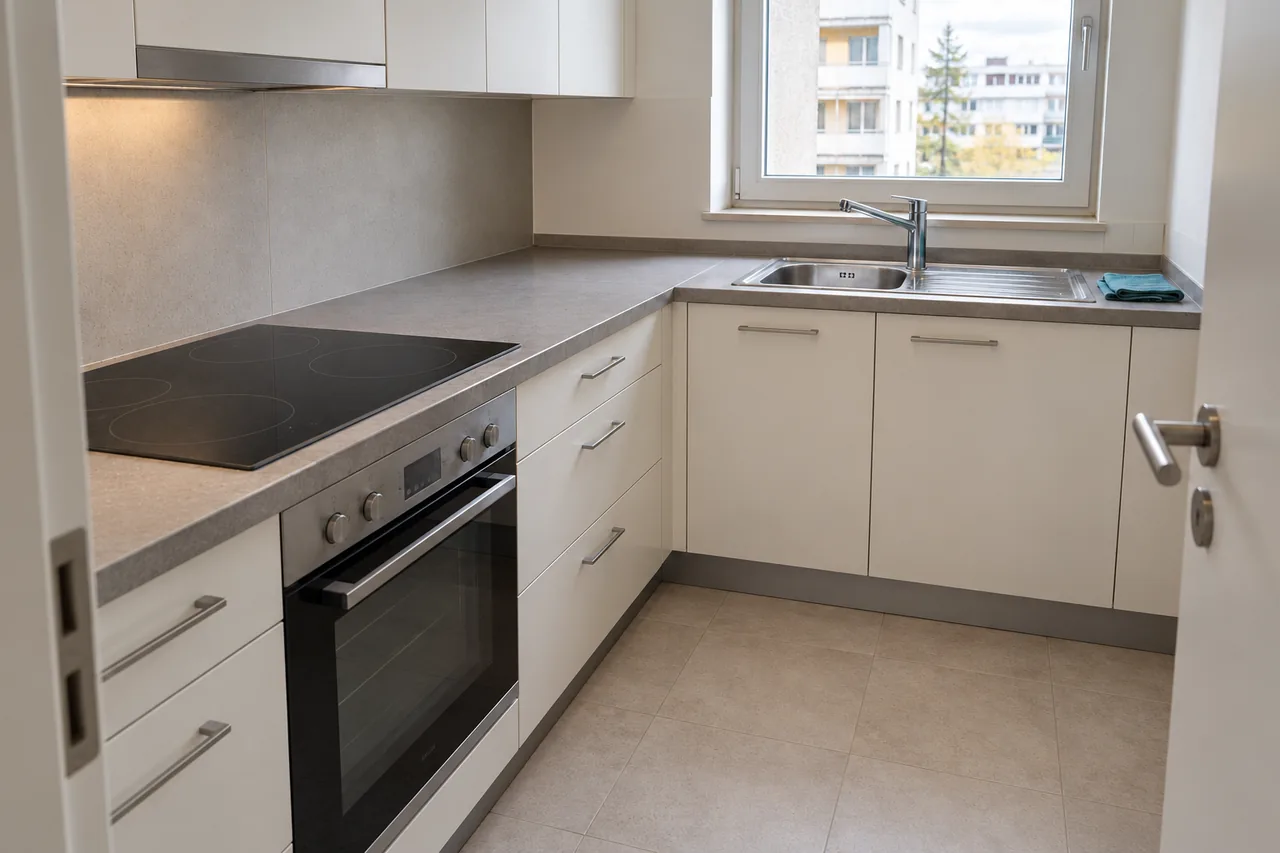
In an occupied kitchen, everyday use and access are part of the preparation. Worktops, the sink, hob and reachable cabinet fronts can be planned when it is clear which objects will remain. Decide whether dishes will already be put away and which surfaces should be available. Food, open containers and personal supplies should not be reorganised without discussion.
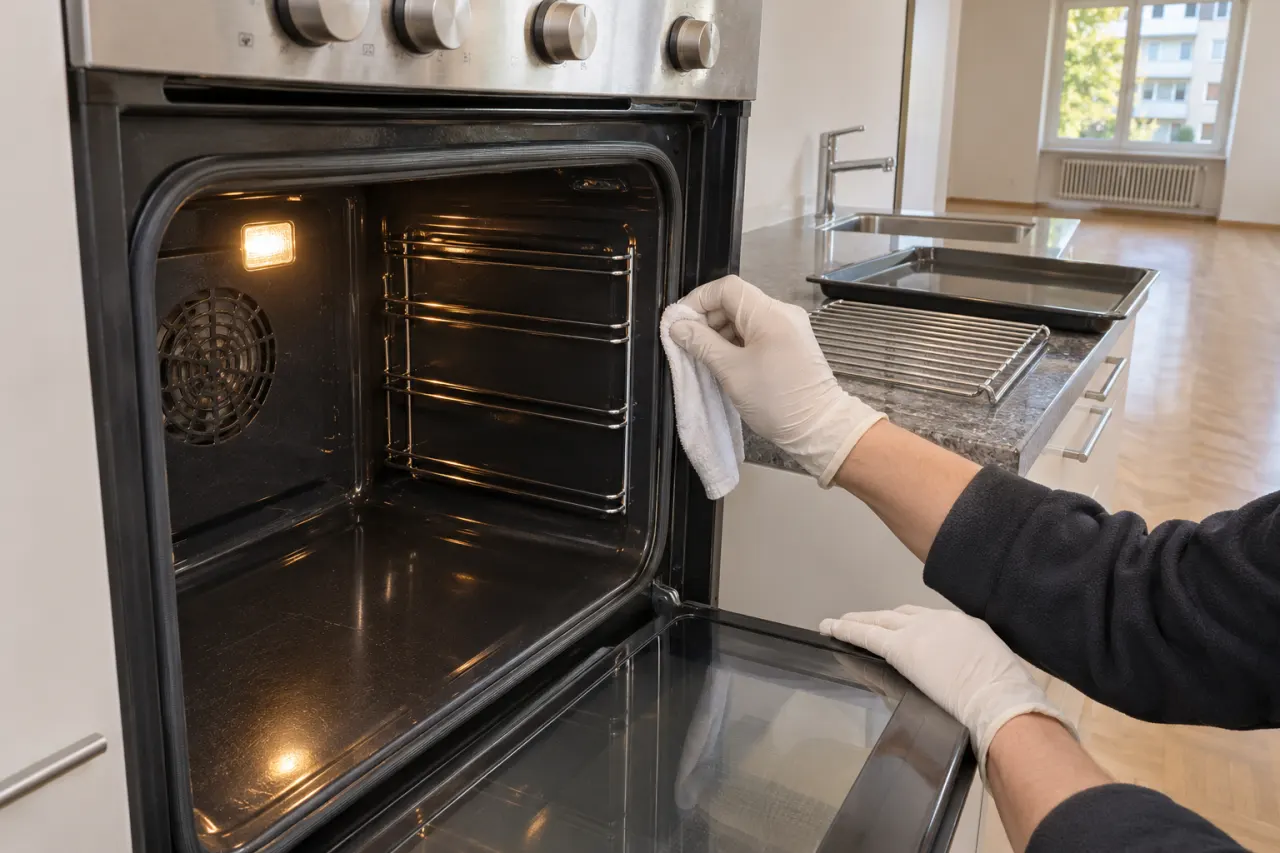
Routine care of visible surfaces is separate from cleaning inside appliances. An oven, refrigerator, extractor or full cupboard each requires a specific request and sometimes advance preparation. Describe the condition, accessibility and priority of these tasks. A heavily soiled oven cannot simply be added without considering its effect on the existing scope.
Materials and care instructions matter. Coated fronts, natural stone and sensitive metal finishes may have different requirements. Share known characteristics and any preferred products beforehand. Preparation, materials and responsibilities need to be agreed rather than assumed. For food and utensils, a clear arrangement about where things can be placed helps keep the kitchen usable in the way your household expects after the appointment.
Bathroom tasks can be organised around the basin, taps, shower or bath, toilet, mirrors and accessible shelves. Explain which areas should receive attention regularly and where extra work may be needed. Ongoing maintenance and removal of substantial older deposits start from different conditions. Photographs help make that distinction in the first enquiry.
Toiletries, towels and personal hygiene items remain part of your household’s organisation. Agree what you will put away and which reachable surfaces should be cleaned. Closed cupboards and private storage areas do not become part of the booking merely because they are in the bathroom. Mention a guest toilet, second shower or other sanitary room explicitly.
Known material sensitivities and existing damage belong in the preparation. Porous grout, damaged coatings or discoloured silicone are not automatically removable dirt. Cleaning does not replace repair or renewal. For ongoing coordination, separate the agreed maintenance tasks from an additional need requiring assessment. This provides a clear basis for each appointment and helps avoid treating every change in the condition of a surface as the same kind of cleaning task.
In living rooms and bedrooms, floor finishes, furniture and available space shape the work. Wood, laminate, tiles and carpet each need a suitable approach. Share care instructions and known sensitivities, particularly to moisture, delicate coatings or existing damage. Ordinary cleaning does not automatically include polishing, carpet extraction or restoration of worn surfaces.
Discuss which areas can be reached. Light movable objects may be handled differently from large furniture or connected equipment, depending on the agreement. A heavy wardrobe is not moved simply as part of routine floor care. For spaces under a bed, behind a sofa or between closely arranged items, identify what can be accessed safely and what preparation would be needed.
Dusting can be defined by shelves, window sills and accessible furniture surfaces. Decorations, collections and fragile objects require their own arrangement. Window cleaning and high-level surfaces are additional tasks with separate access considerations. The list should name them rather than assume that the phrase home cleaning includes every possible surface. This approach matches the work to the actual contents of your rooms.
An occupied home contains paperwork, keepsakes and personal ways of organising objects. Before the first appointment, agree which belongings can be moved and which areas should remain unchanged. Desks, open documents, jewellery trays, collections and rooms you do not want accessed deserve particular clarity. A direct instruction is more useful than expecting every personal boundary to be obvious.
Cleaning and tidying are different tasks. Establish whether loose objects will be put on an agreed surface or cleared away by you beforehand. Paperwork should not be reorganised according to someone else’s judgement, and items should not be discarded without permission. Even a container that appears empty may have a purpose in your household.
You may choose to secure valuables and particularly sensitive information yourself before the appointment. This creates a clear work area and reduces unnecessary questions. If an object is moved, its new position should remain understandable. A short household note can capture specific preferences while including only the information needed for the work. Review the note when priorities change rather than allowing old instructions to accumulate without context.
Agree who will open the door and whether anyone will be home during the cleaning. If you prefer to be absent, a specific access arrangement is needed. Record which keys are handed over, what they are for and how they will be returned. Key access should be an explicit part of the plan rather than an informal assumption.
Provide the doorbell name, floor, lift information and any relevant entrance details. Locked rooms or an alarm system require appropriate coordination; share only necessary information through an agreed channel. Water, electricity and the work areas needed for the booking must be accessible. Parking and building rules may also affect the appointment. A reachable contact helps resolve practical access questions.
Pets belong in the planning. Explain which animals live in the home and how doors or rooms should be managed. Agree where pets will stay so they cannot escape or interfere with the work. Feeding, supervision and specialist cleaning of animal areas are not automatically included. Other household members should also know the agreed access plan and timing.
A suitable cleaning frequency depends on use, household needs and the tasks you prefer to handle yourself. A frequently used kitchen or bathroom may have different priorities from an occasional guest room. You can enquire about a single appointment or a preferred pattern. Availability of recurring visits on particular days and times is individually confirmed; an enquiry alone does not establish a subscription or reserved slot.
A rotation can help keep the scope understandable. Separate core tasks from occasional requests such as one appliance interior, additional shelves or agreed window surfaces. Before the relevant appointment, identify which extra task takes priority and whether it changes the scope. This avoids an unspoken expectation that every possible task is included at every visit.
Holidays, guests, renovation work or changes in room use can affect the need. Explain these changes in advance. Arrangements for rescheduling, missed appointments or continuing the service should come from the individual agreement. A coordinated plan supports your routine without assuming unconfirmed availability or applying one fixed interval to every household.
A useful quote starts with the floor area, room list, finishes, requested tasks and current condition. Add access details, the desired date or frequency and particular requirements. Explain which products or equipment are available and which materials you want used. Actual provision and suitability need to be agreed so neither side has to guess.
Compare offers against the same task list. A price without information about areas, activities and preparation is difficult to interpret. Ask how additional requests are arranged and which tasks can be included in the proposed appointment. The confirmed scope is the reference, rather than a general assumption covering every household activity.
Afterwards, specific feedback is useful: which agreed area was addressed, where is an outstanding point and what should take priority at the next confirmed visit? Cleaning an occupied home is not a tenancy handover service, so an acceptance guarantee is not automatically part of it. The aim is an understandable agreement that fits daily life and provides a clear way to discuss changes.
| Area | Agree for the appointment | Household preparation |
|---|---|---|
| Kitchen | Reachable surfaces; appliance interiors by agreement | Discuss dishes, food and clear worktops |
| Bathrooms | Sanitary surfaces, mirrors and accessible shelves | Put personal products away as agreed |
| Living spaces | Floors and accessible furniture surfaces | Clear routes and identify delicate objects |
| Additional tasks | Priority, access and any change to scope | Complete the necessary preparation in advance |
| Access and frequency | Appointment, key arrangement and requested repetition | Organise pets, presence and responsibilities |
Cleaning depends on floor area, room count, surfaces and actual condition. A regularly maintained bathroom requires different work from a property left empty for a long time. List the kitchen, bathrooms, windows and additional rooms separately, and explain whether furniture or personal belongings will remain. Photos allow an initial assessment; the individual quotation defines the agreed work.
| Factor | Details needed | Why it matters |
|---|---|---|
| Area and rooms | Rooms, square metres, kitchen, bathrooms and ancillary areas | The scope depends on the surfaces actually requested. |
| Condition | Recent photographs and unusual soiling | Materials and work need to suit the condition. |
| Fixtures | Floor types, delicate surfaces, windows and appliances | Methods depend on the materials present. |
| Access and timing | Keys, attendance, water, electricity and preferred time | Clear work areas help organise the sequence. |
| Additional work | Windows, appliances, ancillary rooms or handover attendance | Extra tasks need to be explicitly included in the quotation. |
Compare the surfaces and tasks explicitly included. Windows, shutters, ovens, cellars and special materials should not be assumed to be covered. Also clarify access, water, electricity and the time between cleaning, moving and handover. Regular home cleaning requires a separate agreement on frequency and recurring tasks. Handover attendance is a distinct arrangement, not an automatic part of every cleaning booking.
Tick the points you have already clarified. This personal checklist is not submitted.
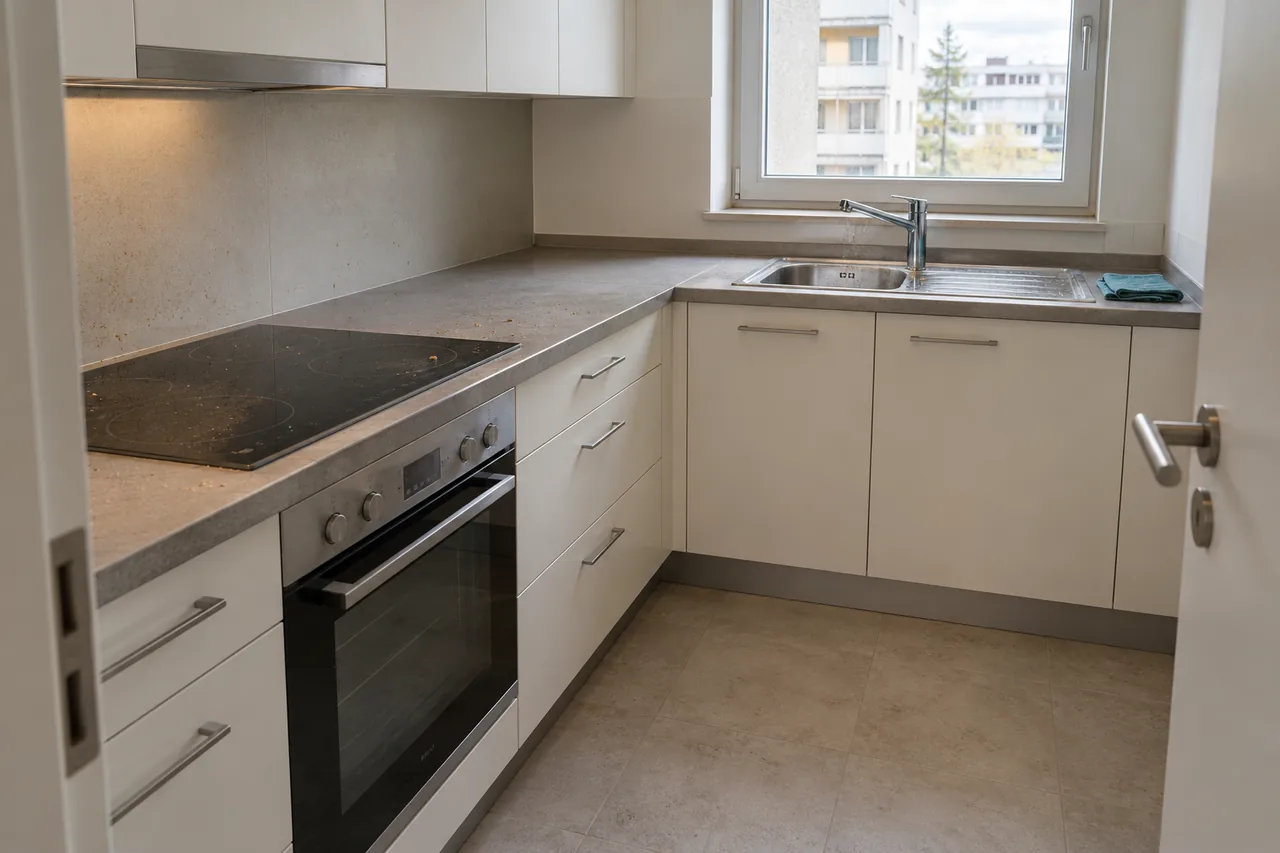
Planning examples: rooms change through furnishing and cleaning. Your quotation defines the specific work agreed for your property.
Describe the volume, collection and delivery addresses, and your preferred date. We clarify open points and record the agreed services in writing.
044 505 14 14This service concerns everyday residential use and promises no handover guarantee. For moving out, request suitable final cleaning separately.
That is agreed around access and your preferences. Key handover and permitted rooms must be clearly established beforehand.
Yes. Describe your preferred frequency and suitable time windows. A recurring arrangement is confirmed through individual coordination. An enquiry does not create an automatic subscription. Tasks, appointments, changes and material provision should be clearly agreed before you rely on fixed repeat visits or a particular ongoing schedule.
That depends on the agreed access arrangement. Discuss your presence and availability in advance. If keys are handed over, their purpose, identification and return should be clear. Mention rooms that remain locked and how pets and other household members will be organised during the appointment.
No. Cleaning agreed surfaces differs from sorting, washing clothes, ironing and other household tasks. Describe additional wishes in the enquiry so the actual offer can be clarified. Personal documents and belongings should not be reorganised or discarded without discussion. A detailed list is more reliable than a broad service label.
Provision is established for the booking. Explain what equipment is available, which products you prefer and any surface-care instructions. If materials are to be brought, that needs to be part of the agreement. Share particular requirements or sensitivities beforehand rather than leaving product choice to an assumption.
Changing needs can be discussed. Identify additional tasks and priorities before each confirmed visit. The question is whether they fit within the agreed scope or require an adjustment. A clear rotation prevents occasional requests from being treated as permanently included without an explicit decision.
Describe the volume, collection and delivery addresses, and your preferred date. We clarify open points and record the agreed services in writing.