
Enter once
All key details in one clear process.
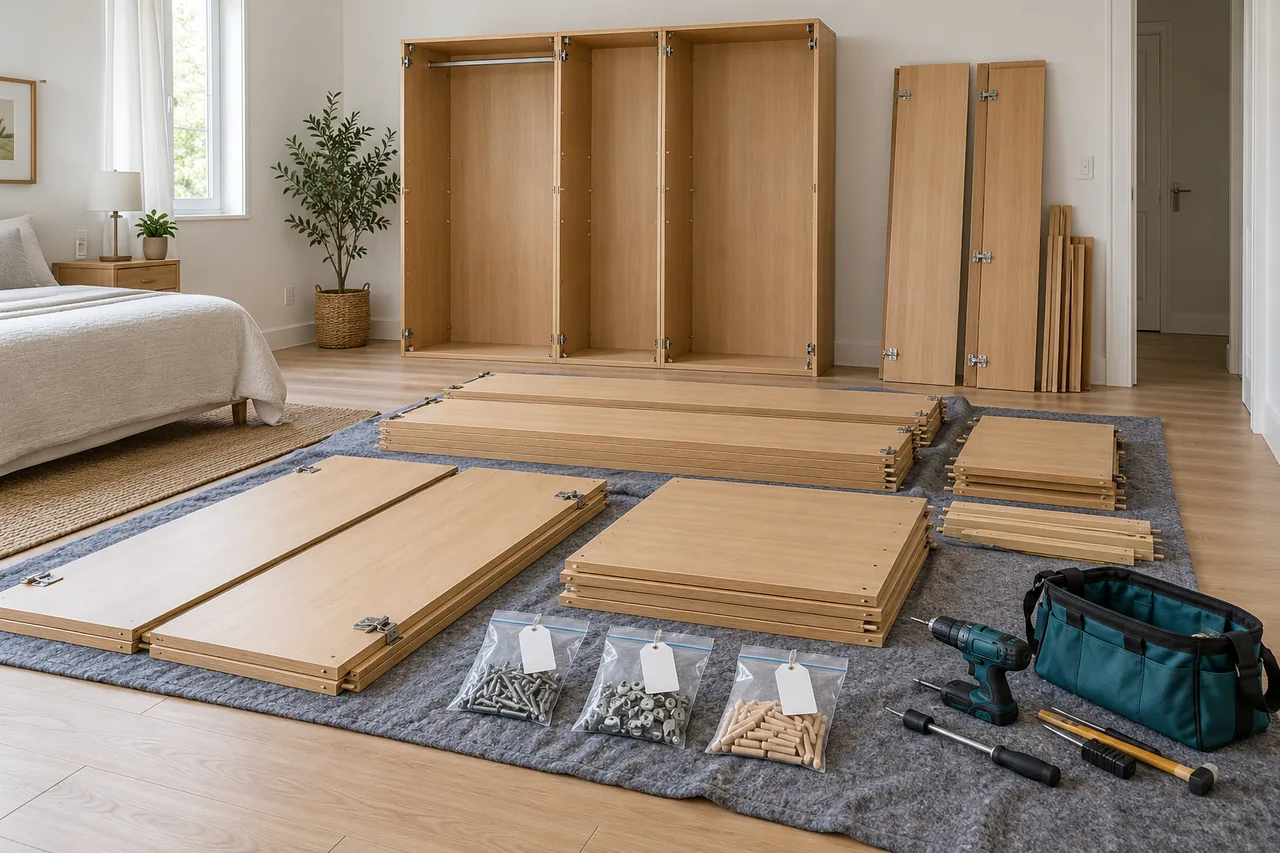
Furniture assembly in Mendrisio (canton TI): we agree the scope, access to your property and a suitable date with you. Furniture assembly during a move begins before the first fitting is removed. The plan needs to identify what should be dismantled, how the parts will be protected and where each piece will stand at the destination. Tetrismove coordinates disassembly, transport preparation and reassembly with the wider move. Photographs, measurements and available instructions help define the work.
All key details in one clear process.
Route, access and services described clearly.
Moving and cleaning in every region.
Review the services and price before booking.
For work in Mendrisio in canton TI, the exact address and access to the property are essential. Provide the floor, usable lift, key handover arrangements and a reachable contact. Photos of rooms, stairs and work areas help establish the scope. Check with the property manager whether working hours, access or the use of shared areas need to be agreed.
The table distinguishes postal localities from the municipality. The correct postcode and house number avoid confusion, particularly where a municipality contains several localities. Include the entrance, any rear courtyard and a reachable contact person. The service is planned for your address; this page describes a service area and does not identify a branch office.
| Postcode | Locality | Address details needed |
|---|---|---|
| 6825 | Capolago | Add the street, house number and building entrance |
| 6850 | Mendrisio | Add the street, house number and building entrance |
| 6852 | Genestrerio | Add the street, house number and building entrance |
| 6853 | Ligornetto | Add the street, house number and building entrance |
| 6862 | Rancate | Add the street, house number and building entrance |
| 6863 | Besazio | Add the street, house number and building entrance |
| 6864 | Arzo | Add the street, house number and building entrance |
| 6865 | Tremona | Add the street, house number and building entrance |
| 6866 | Meride | Add the street, house number and building entrance |
| 6872 | Salorino | Add the street, house number and building entrance |
The table lists postal locality areas whose building addresses lie predominantly within this municipality. A postal area can span more than one municipality. The full address is needed to plan your booking. Source: Federal Office of Topography swisstopo · data dated 01 October 2026
Explain whether the rooms will remain occupied or in use during the visit. Personal belongings, pets, sensitive workstations and other contractors affect the sequence. Any additional transport, clearance or property handover is coordinated separately. The complete address and your task list are the starting point; a postcode alone does not describe the condition or work required.
Prepare a list of the furniture for which you want help. Useful details include the type of piece, approximate dimensions, material and whether it has been dismantled before. A large wardrobe, a storage bed and a simple table call for different preparation. Photographs should show the whole item as well as important joints, fittings and any existing damage.
Keep assembly instructions and spare original components where available. Missing screws, worn joints and distorted panels should be identified before reassembly is under way.
Planning needs to reflect the actual condition. An older piece or one that has already been dismantled several times may not be suitable for unrestricted reassembly. This does not automatically rule out moving it, but the method and expectations should be discussed.
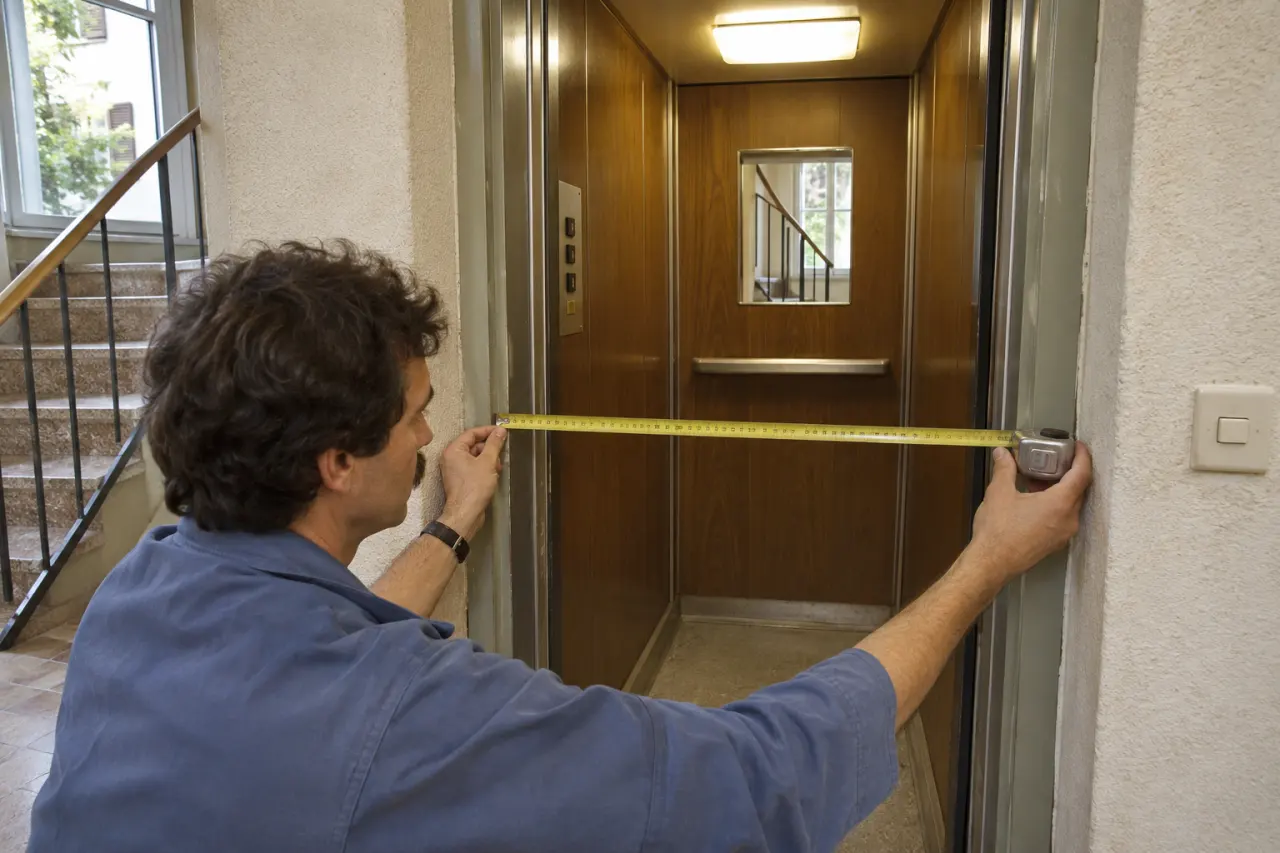
Whether furniture needs to come apart depends on both its construction and the route through the buildings. Doors, stairs, lifts and tight turns matter alongside the dimensions of the item. Measure difficult access at the destination as well. A wardrobe that leaves the old apartment easily does not necessarily fit through the door of its new room.
Some pieces can travel intact if their weight, stability and access allow it. Others benefit from partial or complete disassembly. The method should respect the construction: glued or permanently joined sections cannot simply be treated like removable screw connections. Taking an item apart unnecessarily may add stress to fittings and material.
Agree which parts will be removed and which will stay together. Doors, drawers and loose shelves may require a different approach from the main cabinet. A considered disassembly plan links handling to an understandable reassembly sequence. If photographs do not adequately show access or condition, a closer assessment before the appointment may be useful.
The component missing during reassembly is often a small connector rather than a large panel. Screws, dowels, brackets, hinges and other fittings therefore need to remain complete and linked to the correct item. Small parts can be stored in labelled bags or suitable containers. A shared box of unidentified fittings makes the work harder, particularly when several similar wardrobes are being moved.
Larger components also benefit from clear identification. Sides, bases, doors and back panels should return to their intended positions. Marking must suit the material and avoid damaging visible finishes. Photographs before and during disassembly can support the record, especially for older furniture without an available manual.
Agree where fittings will be kept during transport. They need to be accessible when assembly begins, rather than buried inside a box due to be unpacked later. Distinguish original components from spare or unrelated parts. Missing items should be identified instead of being replaced casually with alternatives whose suitability has not been established.
Different types of furniture bring different requirements. A wardrobe may include doors, drawers, hanging rails and a particular internal layout. A bed can involve a frame, slats, headboard and storage elements. Desks and office shelving may have cable routes, attached sections or components shared across several workstations. Describing these details is more useful than giving only the total number of pieces.
Empty cupboards and drawers before the agreed appointment. Remove personal belongings and make movable internal components accessible. Explain whether the arrangement will change at the destination. A different wardrobe layout or an extra attachment can involve more work than rebuilding the same configuration.
Complex systems, specialised mechanisms and brand-specific construction require a prior check of the actual service available. General furniture assembly is not an automatic confirmation that every system can be handled. The same consideration applies to especially delicate materials. Product information and close-up photographs allow a concrete assessment before the method, materials and work are agreed.
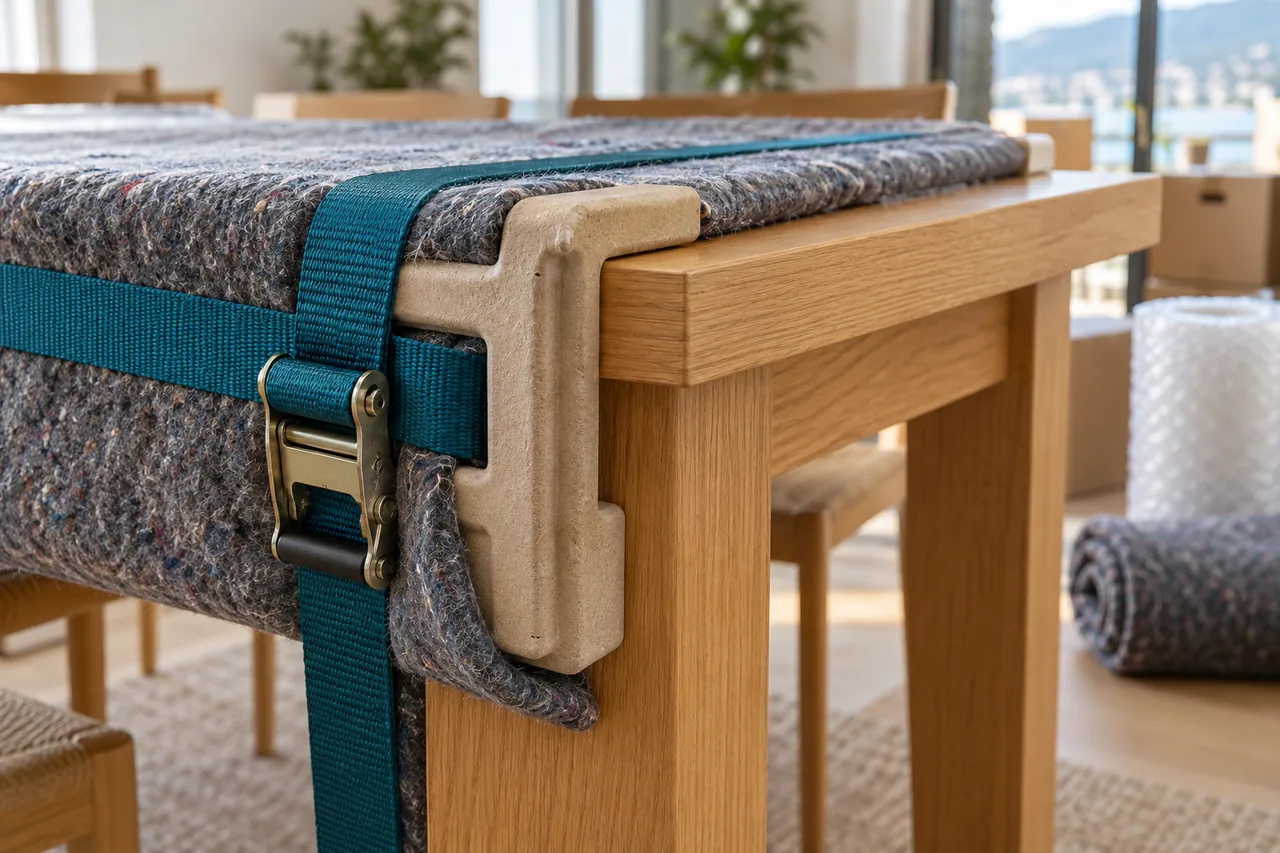
Disassembly turns one item into several components with different vulnerabilities. An exposed edge, loose glass panel or long narrow shelf needs appropriate handling. Packaging and transport should therefore be considered alongside assembly. Parts should not be tied together in a way that allows fittings or hard edges to damage finished surfaces.
Existing scratches, loose connections and sensitive coatings should be known beforehand. Protective materials need to suit the finish and remain in place while the components are carried. Glass and mirrors require particular attention to size, shape and the actual transport arrangements. A label by itself does not provide protection or determine a safe place in the vehicle.
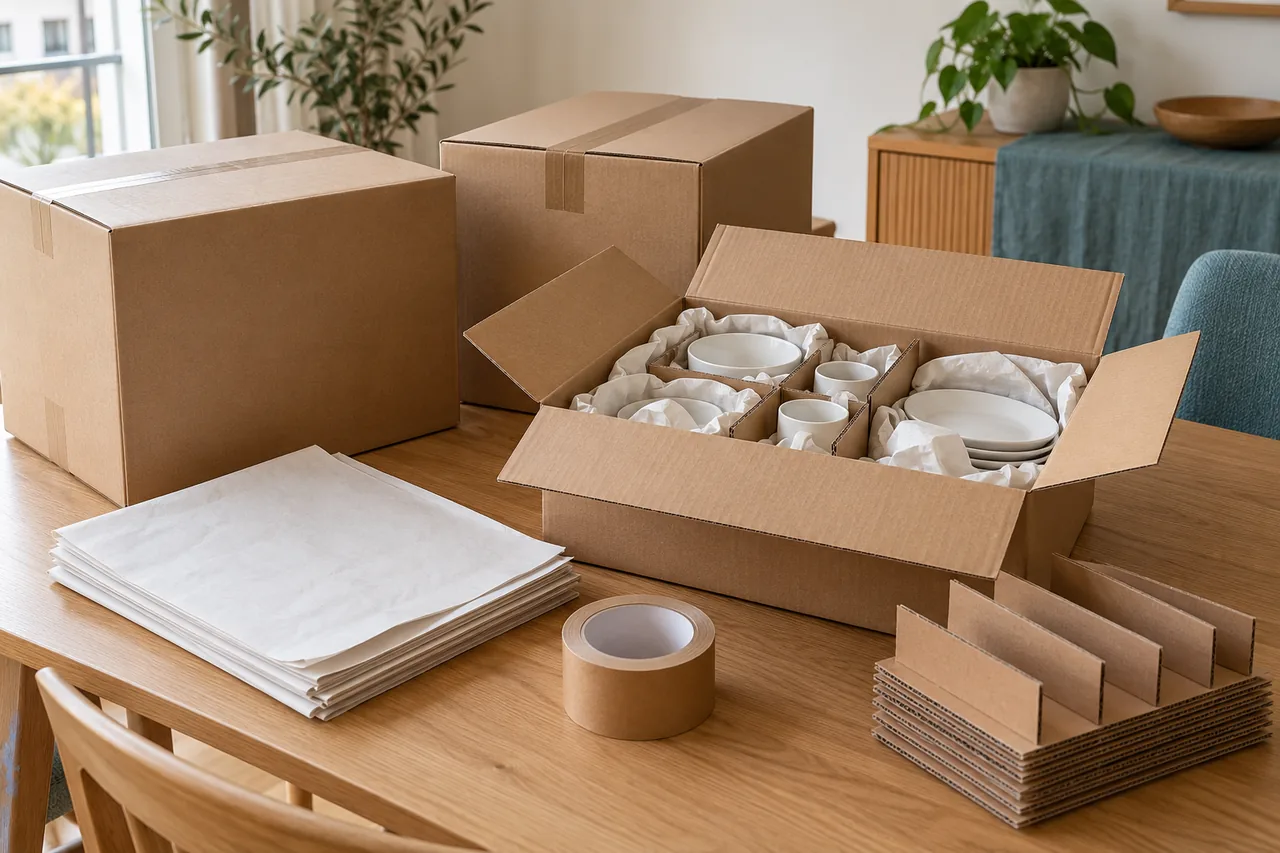
If parts will be stored between addresses, discuss the storage period, packaging and later delivery as part of the sequence. Fittings should remain traceable to their furniture throughout. At the destination, identify which components are needed first. An organised preparation area avoids interrupting assembly because one panel or bag of fittings is still at another address or beneath unrelated contents.
Assembly usually requires more space than the final footprint of the furniture. Components need to be laid out, turned and joined. Keep the intended area clear and decide where boxes can wait temporarily. A simple room plan showing the desired positions prevents repeated movement of heavy furniture after it has already been built.
Check dimensions, door openings, ceiling height and obstacles. Sockets, radiators, skirting boards and windows influence where a piece can sensibly stand. For tall wardrobes, establish whether the unit can be assembled flat and then raised in the available space. These questions are easier to resolve before panels are spread across the room.
Where wall attachment is intended, the wall construction, suitable fixings and requested work need a separate agreement. Drilling is not automatically part of every assembly booking. Electrical, plumbing and fitted-kitchen work are also not included simply because furniture is being assembled. Clear boundaries help prepare the right work for the room and item, while making any remaining requirements visible before the appointment.
Assembly effort depends on construction, dimensions, condition, number of components and access. A sorted item with instructions differs from a mixed collection with uncertain identification. Your preferred division between personal preparation, disassembly, transport and rebuilding also affects the sequence. Describe the assistance needed as specifically as possible.
A useful offer identifies the furniture and the planned tasks. Is the booking for disassembly only, or also rebuilding at the destination? Are packing and transport part of the same arrangement? Will the original configuration remain, or are new parts being added? These questions allow offers to be compared on a consistent basis and highlight unresolved matters before the move.
Tetrismove can coordinate assembly with the rest of the relocation. Establish when furniture will be accessible and which rooms should be made usable first. Broad time estimates without knowledge of the construction are of limited value. The commitment comes from the agreed scope for your furniture, rather than a general photograph or an assumed standard duration. Report changes to the inventory so the plan can be updated.
A shared check after assembly helps confirm what has been completed. Review whether the agreed pieces stand in their intended positions and whether doors, drawers and moving parts operate as expected. Identify loose remaining components and packaging as well. A short record makes it clear which tasks are finished and whether anything remains outstanding.
Use of the furniture follows its construction and manufacturer instructions. Load limits, required wall attachments and care requirements should not be inferred from the general assembly service. If a necessary fixing is not yet fitted or a component is unavailable, discuss that condition explicitly. An item that looks complete is not automatically ready for every possible load or use.
Retain instructions, unused original parts and the identification of fittings. These may help with later adjustments or another move. Describe any issue precisely, such as a drawer that catches or a door that sits unevenly. A clear description helps distinguish an adjustment from existing wear or another cause. The final conversation should leave you aware of the completed scope and any agreed next step.
| Topic | Information needed | Your preparation |
|---|---|---|
| Furniture inventory | Type, dimensions, material and instructions | Supply overview and detail photographs |
| Disassembly | Construction and access at both addresses | Empty cupboards and drawers |
| Fittings | Available, missing or already loose parts | Keep original components organised |
| Assembly area | Position, ceiling height and obstacles | Clear work space and access routes |
| Additional tasks | Wall attachment or specialised systems | Agree the scope and requirements explicitly |
A reliable quotation starts with a complete scope. Property size and distance alone are not enough: volume, access, timing, materials and additional tasks determine the team, vehicle and time needed. Tell us which preparations you will handle yourself. Compare quotations by checking that they cover the same rooms, items and carrying routes.
| Factor | Details needed | Why it matters |
|---|---|---|
| Volume | Inventory, photographs, rooms and additional areas | The actual quantity determines the resources required. |
| Access | Floor, lift dimensions, carrying route and loading space | The route affects time and equipment. |
| Date | Preferred date, handover and alternatives | The sequence and everyone involved need to align. |
| Your preparation | Packed boxes, disassembly and prepared rooms | Clear responsibilities avoid duplicated or missed tasks. |
| Additional work | Cleaning, packing, assembly, storage or disposal | Each addition needs a defined scope and position in the schedule. |
Also agree what happens if something changes: extra furniture, an unreserved lift or delayed access to the destination can affect the schedule. A written scope makes these differences easier to discuss. Binding prices and dates are set out in your individual quotation; example images and checklists do not promise a fixed package for every property.
Tick the points you have already clarified. This personal checklist is not submitted.
Describe the volume, collection and delivery addresses, and your preferred date. We clarify open points and record the agreed services in writing.
044 505 14 14No. Construction, stability, weight and the route through both buildings determine whether complete, partial or no disassembly is appropriate. Photographs and measurements help assess this. Unnecessary dismantling can place additional stress on materials and joints, so the approach should fit the actual furniture and available access.
Tell Tetrismove about missing parts and documents in advance. Photographs of the furniture and its connections help identify the issue. Keep original fittings collected and labelled. An arbitrary replacement screw is not necessarily suitable. Required components, possible limitations and any effect on the rebuilding scope need to be clarified.
They need to be expressly agreed. Wall construction, appropriate fixings, access and the requested result all matter. General furniture assembly does not automatically include every drilling task. Share manufacturer instructions about securing the item so that necessary attachments can be considered before the final stage of the work.
You can define the desired scope in your enquiry. If you dismantle the furniture yourself, complete parts, organised fittings, photographs and available instructions are especially helpful. Explain its condition and construction beforehand. The practical suitability of a reassembly-only booking can then be assessed against that information.
Empty the furniture, prepare instructions and fittings and keep access clear. At the destination, identify the intended position and allow enough working space. Mention sensitive floors, existing damage and any requested attachments. These details allow the sequence to be matched to the actual room and furniture.
Use sealed bags for each piece of furniture and each component. Mark the furniture, component and destination room on each bag. Photograph hinges and the orientation of rails before removal. Put the bags and assembly instructions in one clearly marked accessories box.
Describe the volume, collection and delivery addresses, and your preferred date. We clarify open points and record the agreed services in writing.